
Acromegaly Definition and History
Acromegaly is a hormonal disorder that results when the pituitary gland produces excess growth hormone (GH). It most commonly affects middle-aged adults. Once recognized, acromegaly is treatable in most patients, but because of its slow and often insidious onset, it frequently is not diagnosed correctly.
The name acromegaly comes from the Greek words for “extremities” and “enlargement” and reflects one of its most common symptoms, the abnormal growth of the hands and feet.
Symptoms of Acromegaly
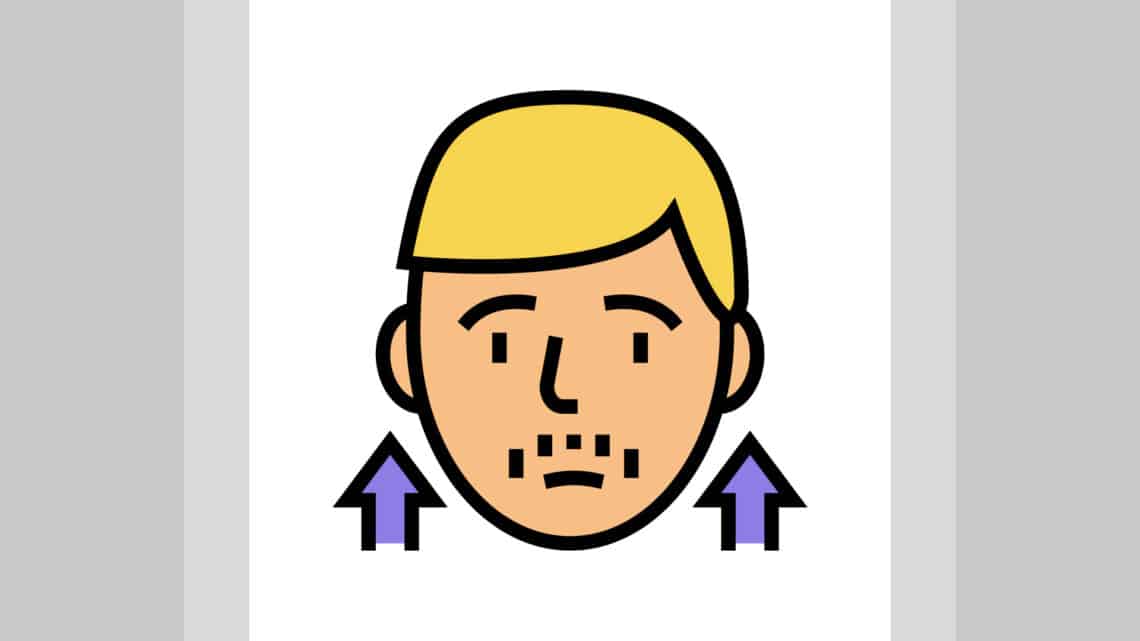
- Soft tissue swelling of the hands and feet is often an early feature, with patients noticing a change in ring or shoe size. Gradually, bony changes alter the patient’s facial features: the brow and lower jaw protrude, the nasal bone enlarges, and spacing of the teeth increases.
- Overgrowth of bone and cartilage often leads to arthritis. When tissue thickens, it may trap nerves, causing carpal tunnel syndrome, characterized by numbness and weakness of the hands.
- Other symptoms of acromegaly include thick, coarse, oily skin; skin tags; enlarged lips, nose and tongue; deepening of the voice due to enlarged sinuses and vocal cords; snoring due to upper airway obstruction; excessive sweating and skin odor; fatigue and weakness; headaches; impaired vision; abnormalities of the menstrual cycle and sometimes breast discharge in women; and impotence in men. There may be enlargement of body organs, including the liver, spleen, kidneys and heart.
- The most serious health consequences of acromegaly are diabetes mellitus, hypertension, and increased risk of cardiovascular disease. Patients with acromegaly are also at increased risk for polyps of the colon that can develop into cancer.
Gigantism
When GROWTH HORMONE-producing tumors occur in childhood, the disease that results is called gigantism rather than acromegaly. Fusion of the growth plates of the long bones occurs after puberty so that development of excessive Growth Hormone production in adults does not result in increased height. Prolonged exposure to excess Growth Hormone before fusion of the growth plates causes increased growth of the long bones and increased height.
Pathology of Acromegaly
- Acromegaly is caused by prolonged overproduction of Growth Hormone by the pituitary gland.
- The pituitary is a small gland at the base of the brain that produces several important hormones to control body functions such as growth and development, reproduction, and metabolism.
- GH is part of a cascade of hormones that, as the name implies, regulates the physical growth of the body. This cascade begins in a part of the brain called the hypothalamus, which makes hormones that regulate the pituitary.
- One of these, growth hormone-releasing hormone (GHRH), stimulates the pituitary gland to produce GH. Another hypothalamic hormone, somatostatin, inhibits GH production and release.
- Secretion of GH by the pituitary into the bloodstream causes the production of another hormone, called insulin-like growth factor 1 (IGF-1), in the liver. IGF-1 is the factor that actually causes the growth of bones and other tissues of the body.
- IGF-1, in turn, signals the pituitary to reduce GH production.
- GHRH, somatostatin, GH, and IGF-1 levels in the body are tightly regulated by each other and by sleep, exercise, stress, food intake and blood sugar levels.
- If the pituitary continues to make GH independent of the normal regulatory mechanisms, the level of IGF-1 continues to rise, leading to bone growth and organ enlargement.
- The excess GH also causes changes in sugar and lipid metabolism and can cause diabetes.
Causes of Acromegaly
Pituitary Tumors
- In over 90 percent of acromegaly patients, the overproduction of Growth Hormone is caused by a benign tumor of the pituitary gland, called an adenoma. These tumors produce excess Growth Hormone and, as they expand, compress surrounding brain tissues, such as the optic nerves.
- This expansion causes the headaches and visual disturbances that are often symptoms of acromegaly.
- In addition, compression of the surrounding normal pituitary tissue can alter production of other hormones, leading to changes in menstruation and breast discharge in women and impotence in men.
- There is a marked variation in rates of GH production and the aggressiveness of the tumor. Some adenomas grow slowly and symptoms of GH excess are often not noticed for many years. Other adenomas grow rapidly and invade surrounding brain areas or the sinuses, which are located near the pituitary.
- In general, younger patients tend to have more aggressive tumors. Most pituitary tumors arise spontaneously and are not genetically inherited.
Non-pituitary Tumors
- In a few patients, acromegaly is caused not by pituitary tumors but by tumors of the pancreas, lungs, and adrenal glands.
- These tumors also lead to an excess of Growth Hormone, either because they produce Growth Hormone themselves or, more frequently, because they produce GHRH, the hormone that stimulates the pituitary to make Growth Hormone.
- In these patients, the excess GHRH can be measured in the blood and establishes that the cause of the acromegaly is not due to a pituitary defect.
- When these non-pituitary tumors are surgically removed, Growth Hormone levels fall and the symptoms of acromegaly improve.
Acromegaly Diagnosis
- If a doctor suspects acromegaly, he or she can measure the GH level in the blood after a patient has fasted overnight to determine if it is elevated.
- However, a single measurement of an elevated blood Growth Hormone level is not enough to diagnose acromegaly, because Growth Hormone is secreted by the pituitary in spurts and its concentration in the blood can vary widely from minute to minute.
- At a given moment, a patient with acromegaly may have a normal Growth Hormone level, whereas a Growth Hormone level in a healthy person may be five times higher.
- Because of these problems, more accurate information can be obtained when Growth Hormone is measured under conditions in which Growth Hormone secretion is normally suppressed. Physicians often use the oral glucose tolerance test to diagnose acromegaly, because ingestion of 75 g of the sugar glucose lowers blood Growth Hormone levels less than 2 ng/ml in healthy people. In patients with GH overproduction, this reduction does not occur. The glucose tolerance test is the most reliable method of confirming a diagnosis of acromegaly.
- Physicians also can measure IGF-1 levels in patients with suspected acromegaly. As mentioned earlier, elevated GH levels increase IGF-1 blood levels. Because IGF-1 levels are much more stable over the course of the day, they are often a more practical and reliable measure than GH levels. Elevated IGF-1 levels almost always indicate acromegaly. However, a pregnant woman’s IGF-1 levels are two to three times higher than normal. In addition, physicians must be aware that IGF-1 levels decline in aging people and may be abnormally low in patients with poorly controlled diabetes mellitus.
- After acromegaly has been diagnosed by measuring Growth Hormone or IGF-1, imaging techniques, such as computed tomography (CT) scans or magnetic resonance imaging (MRI) scans of the pituitary are used to locate the tumor that causes the Growth Hormone overproduction. Both techniques are excellent tools to visualize a tumor without surgery. If scans fail to detect a pituitary tumor, the physician should look for non-pituitary tumors in the chest, abdomen, or pelvis as the cause for excess GH.
Acromegaly Treatment
The goals of treatment are to reduce Growth Hormone production to normal levels, to relieve the pressure that the growing pituitary tumor exerts on the surrounding brain areas, to preserve normal pituitary function, and to reverse or ameliorate the symptoms of acromegaly. Currently, treatment options include surgical removal of the tumor, drug therapy, and radiation therapy of the pituitary.
Surgery
Surgery is a rapid and effective treatment. The surgeon reaches the pituitary through an incision in the nose and, with special tools, removes the tumor tissue in a procedure called transsphenoidal surgery.
This procedure promptly relieves the pressure on the surrounding brain regions and leads to a lowering of GH levels. If the surgery is successful, facial appearance and soft tissue swelling improve within a few days. Surgery is most successful in patients with blood GH levels below 40 ng/ml before the operation and with pituitary tumors no larger than 10 mm in diameter. Success depends on the skill and experience of the surgeon. Complications of surgery may include cerebrospinal fluid leaks, meningitis, or damage to the surrounding normal pituitary tissue, requiring lifelong pituitary hormone replacement.
Even when surgery is successful and hormone levels return to normal, patients must be carefully monitored for years for possible recurrence. More commonly, hormone levels may improve, but not return completely to normal. These patients may then require additional treatment, usually with medications.
Conventional Drug Therapy
Two medications currently are used to treat acromegaly. These drugs reduce both GH secretion and tumor size. Medical therapy is sometimes used to shrink large tumors before surgery. Bromocriptine (Parlodel®) in divided doses of about 20 mg daily reduces GH secretion from some pituitary tumors. Side effects include gastrointestinal upset, nausea, vomiting, light-headedness when standing, and nasal congestion.
The second medication used to treat acromegaly is octreotide (Sandostatin®). Octreotide is a synthetic form of a brain hormone, somatostatin, that stops GH production. This drug must be injected under the skin every 8 hours for effective treatment.
Because octreotide inhibits gastrointestinal and pancreatic function, long-term use causes digestive problems such as loose stools, nausea, and gas in one third of patients. In addition, approximately 25 percent of patients develop gallstones. In rare cases, octreotide treatment can cause diabetes.
Radiation Therapy
Radiation therapy has been used both as a primary treatment and combined with surgery or drugs. It is usually reserved for patients who have tumor remaining after surgery. These patients often also receive medication to lower GH levels. Radiation therapy is given in divided doses over four to six weeks. Radiation therapy causes a gradual loss of production of other pituitary hormones with time. Loss of vision and brain injury, which have been reported, are very rare complications of radiation treatments.
No single treatment is effective for all patients. Treatment should be individualized depending on patient characteristics, such as age and tumor size.
Homeopathic Treatment for Acromegaly
Homeopathy is one of the most popular holistic systems of medicine. The selection of remedy is based upon the theory of individualization and symptoms similarity by using holistic approach. This is the only way through which a state of complete health can be regained by removing all the sign and symptoms from which the patient is suffering. The aim of homeopathy is not only to treat acromegaly but to address its underlying cause and individual susceptibility. As far as therapeutic medication is concerned, several remedies are available to treat acromegaly that can be selected on the basis of cause, sensations and modalities of the complaints. For individualized remedy selection and treatment, the patient should consult a qualified homeopathic doctor in person. There are following remedies which are helpful in the treatment of acromegaly:
Following homeopathic medicines have been found effective in many cases of acromegaly: Thyroidinum, Chrysarobinum, Baryta carb, Carcinocin, Pitutrinum.
Thyroidinum
Excess of thyroid produces anaemia, emaciation, muscular weakness, sweating, headache, nervous tremor of face and limbs, tingling sensations, paralysis. Heart rate increased, exophthalmus and dilation of pupils. Rheumatoid arthritis. Infantile wasting. Rickets. Delayed union of fractures. In half grain doses twice a day over a considerable period said to be effective in undescended test-icle in boys. Thyroid exercises a general regulating influence over the mechanism of the organs of nutrition, growth and development. Thyroid weakness causes decided craving for large amount of sweets.
Stupor, alternating with restless melancholy. Irritable, worse least opposition; goes into a rage over trifles.
Phosphorus
Especially suited to tall, weakly people.
Trembling of limbs from slightest exertion. Violent trembling of whole body. Burning in all parts of body and limbs. Violent trembling of whole body. Burning in all parts of body and limbs. Arms and hands tremble when holding anything. Yellow or brownish spots on, especially on chest and lower abdomen. Insufficient and unrefreshing in morning. Sopor – like day sleepiness. Late falling to sleep in evening and nightly sleeplessness from anxiety and nightly sleeplessness from anxiety and restlessness. Great sleepiness and indolence after meals.
Pituitaria glandula
Pituitary exercises a superior control over the growth and development stimulates muscular activity and overcomes uterine inertia. Its influence over unstriped muscular fiber is marked. Cerebral haemorrhage. Will check haemorrhage and add absorption of clot. Uterine inertia in second stage of labor where os is fully dilated. High blood pressure, chronic nephritis, prostatitis. Vertigo, difficult mental concentration, confusion and fullness deep in frontal region.