
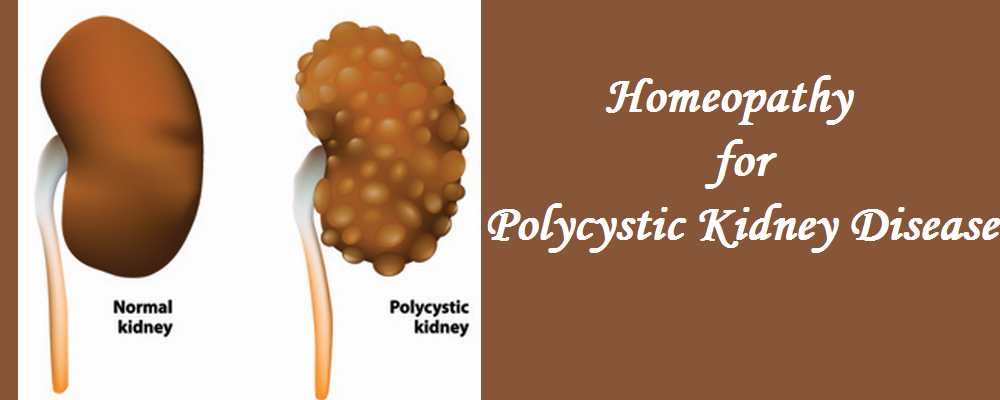

Polycystic kidney disease (PKD or PCKD, also known as polycystic kidney syndrome) is a cystic genetic disorder of the kidneys.
Polycystic kidney disease (PKD) is a genetic disorder characterized by the growth of numerous cysts in the kidneys. The kidneys are two organs, each about the size of a fist, located in the upper part of a person’s abdomen, toward the back. The kidneys filter wastes and extra fluid from the blood to form urine. They also regulate amounts of certain vital substances in the body. When cysts form in the kidneys, they are filled with fluid. Polycystic kidney disease cysts can profoundly enlarge the kidneys while replacing much of the normal structure, resulting in reduced kidney function and leading to kidney failure.
When Polycystic kidney disease causes kidneys to fail—which usually happens after many years—the patient requires dialysis or kidney transplantation. About one-half of people with the most common type of Polycystic kidney disease progress to kidney failure, also called end-stage renal disease (ESRD).
Polycystic kidney disease can also cause cysts in the liver and problems in other organs, such as blood vessels in the brain and heart. The number of cysts as well as the complications they cause help doctors distinguish Polycystic kidney disease from the usually harmless “simple” cysts that often form in the kidneys in later years of life.
Homeopathy Treatment & Homeopathic Remedies for Polycystic Kidney Disease
Homeopathy treats the person as a whole. It means that homeopathic treatment focuses on the patient as a person, as well as his pathological condition. The homeopathic medicines are selected after a full individualizing examination and case-analysis, which includes the medical history of the patient, physical and mental constitution etc. A miasmatic tendency (predisposition/susceptibility) is also often taken into account for the treatment of chronic conditions. The medicines given below indicate the therapeutic affinity but this is not a complete and definite guide to the treatment of this condition. The symptoms listed against each medicine may not be directly related to this disease because in homeopathy general symptoms and constitutional indications are also taken into account for selecting a remedy. To study any of the following remedies in more detail, please visit our Materia Medica section. None of these medicines should be taken without professional advice.
Homeopathic Remedies
Aconite
Incipient stage of post scarlatinal nephritis, pain in loins, scanty urine without blood.
Apis mellifica
Apis is not so much a remedy for chronic Bright’s disease as for the acuter forms. There are  oedematous swellings of the face and extremities, paleness, ascites, oedema pulmonum, pains in the head, back and limbs. Albuminuria following scarlatina. It may be of use in any form of Bright’s disease when there are dull pains in the kidneys, scanty urine and frequent Micturition. The urine is heavily charged with albumen and contains blood corpuscles. The oedema appears quickly, there is general dropsy and suppression of urine and perhaps an eruption of the skin like a nettle rash. The patient is drowsy, apathetic and has a bruised feeling all over. Apis in such cases acts best in trituration; do not depend on the tincture or dilutions. Hepar is recommended by Kafka in Bright’s disease following scarlatina. A valuable symptom for Apis is the feeling of suffocation. He does not see how he is get another breath.
Apocynum
Palliative in dropsical conditions where the urine is scanty. Also useful for coma & convulsions in the nephritis of pregnency.
Arsenicum
This remedy corresponds to all stages of Bright’s disease, bearing a closer resemblance than any  other remedy. It comes in later in the disease where there is dropsy, pale skin, waxen appearance, watery diarrhea and great thirst. The urine is dark, casts are abundant, and it contains much albumen. There are attacks of dyspnoea when lying down in the evening and after midnight, relieved by an expectoration of
mucus. It may come in immediately after Aconite in many cases. “Blood boils” make a special indication for this remedy. Baehr, Millard and Hale question the usefulness of Arsenicum in kidney affections. However, it seems a simile to the large white kidney; in fact, one could hardly wish for a closer correspondence. Hughes considers it a favorite with anxiety and sinking of vital forces will call for Arsenicum. Calcarea arsenica has been used in the anaemia, progressive emaciation and debility of this disease with success.
Aurum muriaticum
Morbus Brightii from gout, suppurations or syphilis. Interstitial nephritis in its incipiency with digestive and nervous phenomena, hypochondriasis, irritability and vertigo.
Belladonna
Simple albuminuria, here it seems to occupy a place midway between Aconite and Arsenicum. Belladonna is of the greatest service in inflammation of the kidneys with piercing burning pains in the lumbar region, returning periodically with increased severity.
Cantharis
This remedy pictures nephritis with cutting pains in the lumbar region; the urine is passed in drops and is mixed with blood, with much urging. Post scarlatinal and post diphtheric kidney diseases with dropsy may indicate Cantharis.
Convallaria
Nephritis from heart disorders. It affords relief when there is extreme rapid & irregular action of the heart, and in general anasarca & ascites from mitral insufficiency.
Cuprum arsenicum
Cuprum arsenicum is also useful in uraemic conditions and is praised highly by Goodno. Cuprum is a valuable remedy for uraemic eclampsia.
Digitalis
This remedy has an irritant action on the kidneys. It is homoeopathic to granular degeneration. Heart symptoms, feeble pulse, scanty, dark, turbid urine, faintness at the stomach, rheumatic pains will indicate it. It is especially useful when the circulation is weak. Rheumatic pains, pulmonary catarrh with profuse expectoration are marked symptoms.
Glonoine
Glonoine has albuminous urine and will sometimes be found useful in acute and haemorrhagic nephritis.
Kali chloricum
This remedy is said to be the most homoeopathic of all remedies in Bright’s disease. It has scanty, dark, albuminous urine containing casts. It excites a violent nephritis.
Mercurius corrosivus
This remedy corresponds to the large white kidney. There is an albuminous, scanty and red urine; pale waxen color of the body; there are lumbar pains, great dyspnoea and excessive strangury. It takes the first rank among all the mercurials for nephritis, and it comes in the later stages. Syphilitic complication further indicate it. There is an expression of uneasiness on the face. Dr. Ludlam considers it our best remedy for the albuminous nephritis of pregnancy and Baehr lauds it in suppurative nephritis.
Plumbum
Granular degenerations of the kidneys, with tendency to uraemic convulsion. Dropsy, sallow face, emaciation, oedema about the ankles. It seems to corresponds to the contracted or cirrhotic form of nephritis, holding the same relation here that Arsenic and Mercury do in chronic nephritis. Royal emphasizes this remedy saying that it arrested the progress in many cases and permanently cured not few for him.
Phosphorus
Phosphorus produces as marked a nephritis as any drug. It is one of the most important remedies in Bright’s disease; the characteristic symptoms are: lassitude of the whole body, hands and feet icy cold, sleepiness. The fatigue is greatest in the morning, and there is heat in the body without thirst, especially in the evening. The patient is indisposed to work, is giddy, forgetful and has a heavy headache, particularly in the forehead; there is oedema of the upper eyelids, a mist before the eye, a yellowish fray complexion, a sickly oedema of the face, want of appetite, pressure and burning in the stomach, and a light colored painless diarrhea which is very weakening. It suits well fatty or waxy casts, is dark brown, scanty and albuminous, or covered with an iridescent film. Pulmonary complications will call for Phosphorus; and inability to lie on the left side is a prominent symptom in these cases. Vomiting and gastric symptoms are usually present. A small dose of Phosphorus will act much safer and better in eclampsia than a large dose of Morphine.
Terebinth
One of our reliable and most frequently indicated remedies in the early stages of renal diseases when congestion is prominent, when there is much pain in the back of a dull character extending along the ureters. The great characteristic of dark smoky urine will be present. There is anasarca, and of course, the urine is bloody and albuminous. It is recommended in post scarlatinal renal affections. The prostration is not accompanied by the restlessness of Arsenicum.
Etiology
- Genetic disorder.
- Inheritance: autosomal dominant.
Types
- Autosomal dominant Polycystic kidney disease is the most common, inherited form. Symptoms usually develop between the ages of 30 and 40, but they can begin earlier, even in childhood. About 90 percent of all PKD cases are autosomal dominant Polycystic kidney disease.
- Autosomal recessive Polycystic kidney disease is a rare, inherited form. Symptoms of autosomal recessive Polycystic kidney disease begin in the earliest months of life, even in the womb.
- Acquired cystic kidney disease (ACKD) develops in association with long-term kidney problems, especially in patients who have kidney failure and who have been on dialysis for a long time. Therefore, it tends to occur in later years of life. It is not an inherited form of Polycystic kidney disease.
SYMPTOMS of Polycystic kidney disease
- Dull aching in loins.
- Vague abdominal pain.
- Frequent urination.
- Haematuria.
- Headache.
- Drowsiness.
- Anorexia.
SIGNS
- Anaemia: moderate to severe.
- Blood pressure: raised.
- On palpation abdomen
- Enlarged irregular kidneys.
- Large knobby renal masses.
- Enlarged polycystic liver (50% cases).
COMPLICATIONS
- Recurrent urinary tract infection.
- Renal calculi.
- Chronic renal failure.
GENERAL MANAGEMENT
- Control of blood pressure.
- Plenty of fluids.
- Low protein diet.
- Correction of anaemia (due to haematuria).
- Prevention & prompt treatment of infection.
Polycystic Kidney Disease Cases Cured with Homeopathic Medicine
Polycystic kidneys (synonym: Congenital polycystic kidneys)’”A Rare Disease – by Nilanjana Basu


It is excellent; thank GOD for your site. And GOD bless you.
Unfortunately, these symptoms are only the beginning of my search.
I am very happy after reading this article.i am a pkd patient.this article has opened my eyes about my disease thank you
I am a CKD patient. Thanks for these articles.
We would like to buy some sort of treatment for Brett.He us 50 and has had a couple of cysts burst resulting in extreme pain
Verymuch worth articles. Need to consult for PKD treatment.
I am a polycystic kidney patient undergoing dialysis thrice a week.
Have you treated PKD patient undergoing dialysis and whose dialysis has stopped.