
Don’t Panic | Life’s Rich Tapestry | Looking after Yourself | Nursing a Sick Child | Dealing with Fevers | Convalescence | Childhood Illnesses | Homeopathic Remedies | Help for Itchy Spots | Help for Sore Eyes | Seek Help If … | Dosage for Homeopathic Remedies | Homeopathic Kit | Recommended Reading
—————————————–
Your child has just been diagnosed as having Chicken Pox or even German Measles or Mumps (they are still around in spite of vaccinations) and your doctor has prescribed Tylenol (acetaminophen) for the fever. This may be their first real illness apart from the odd minor cough or cold and you don’t know how you are going to cope. Illness can be scary, especially for new parents. There is a fear of not being in control, of not knowing what is happening, of something bad happening and of it costing time and/or money or both. These fears are doubled when our children, especially our new babies, are sick. The vulnerability of a small, sick child really pulls at our heart strings and makes you want to do something to take the pain away.
Don’t panic!
Childhood illnesses are not all bad. Homeopaths believe that these illnesses give the immune system an opportunity to develop strength and resistance, especially to inherited weaknesses. Children who have successfully come through a childhood illness are seen to be stronger afterwards and often have a growth spurt, either physically and/or mentally and emotionally. My son, Daniel, grew a whole inch in the month after he had measles, and his school remarked on how much better he was doing with his class work!
I remember a patient (I shall call Susan) who called me late one evening in a terrible state. Her one year old son (David) had chicken pox. He also had a runny nose, a cough and a fever. This was his first illness and his first fever. Susan was awash with fear and panic. She hadn’t wanted to bother me as David had seemed to be coping quite well but in the last few hours his fever had risen (to 101°F), he hadn’t eaten his dinner and he seemed unwell in himself.
Susan needed some basic information about childhood illnesses and fevers and a big dollop of reassurance. I explained that 101°F was a fairly low grade fever and that it was perfectly normal for a fever to rise in the evening, and for a feverish child to go off his food. It was then that she started to cry and said “But his skin is a funny color, it isn’t normal. It is sort of bluish, I am frightened that there is something terribly wrong.” I found out that she had taken all his clothes off and had a fan on him. In the middle of a British winter! I asked Susan to put her hand on his body and tell me what temperature his skin was. When she said it felt cold to the touch I realized that this baby had become chilled and needed wrapping up. I explained how some people become cold with a fever and hate to be uncovered.
She was desperate to give her baby something to make him well, like Tylenol for the fever, cough medicine, pain killers or at least a homeopathic medicine to cure him, so he could go to his child-minder the next day.
David was dealing with his illness really well, his rash wasn’t bothering him much, he was sleeping a lot more than usual (Susan was so relieved to hear that this was both normal and healthy) and he was drinking a lot of fluids and producing plenty of wet diapers.
I asked Susan whether she could take time off work the following day. She could. I then asked how she and her husband felt about having her son sleep with them. They felt fine about that. So then I reminded her that the single most important thing her child needed was Tender Loving Care from the most important people in his life, his mother and father. She and her husband could tuck him in bed with them if he was wakeful, as children often sleep better snuggled up to a parent. I suggested that we wait until the morning to see what his body could do to heal itself, before thinking about prescribing. I warned her that his fever could go up in the night and for her not to worry as long as it stayed under 104°F. I told her to take his clothes off only if he felt hot and sweaty, and to offer water every time he woke. Susan was relieved but cautious. I told her to talk to David, to reassure him about what was happening (as this would also help her as well!) and to validate his ability to heal himself.
Susan rang in the morning with triumph in her voice. They had all had a rough night, David’s fever had gone up to 103°F around midnight and he had slept restlessly for the first part of the night. But after about 2am they slept for an uninterrupted four hour stretch and David had woken with a big smile on his face and a temperature that was below normal. He had eaten a good breakfast and apart from a little cough, he was fine and playing happily. I suggested they take it easy for a day or two and have some fun at home, and not to worry if the fever rose again in the evening. I said to bring him in if the cough persisted, so that I could give him a homeopathic remedy.
Susan felt so proud of herself and her son. It was enormously empowering for her to have been instrumental in her son’s healing, and to witness his ability to heal himself. This mother now has a skill for life for dealing with illness in her family.
It is important to put this story in perspective. There are times when our children are sick when they do need urgent medical attention. There have been times in my practice when I have responded immediately to a call from a parent whose child was much more seriously ill than little David. But I do believe it is important that we (health care professionals) know when to step in and when to step back. I believe that parents know instinctively when something is really wrong with their children, and when they need urgent medical help.
A good doctor, likewise, knows when to step in and when to step back. In Europe the old-fashioned family practitioner was taught to listen to his (or her) patients. This practice is being revived by the complementary medical practitioner.
Life’s Rich Tapestry
The bottom line is that illness is part of life’s rich tapestry, and that includes childhood illnesses. Tampering with nature is not always successful; older children and young adults who were vaccinated as children are contracting these childhood illnesses and are getting severe attacks; the older we are when we contract a childhood illness, the more severe it is likely to be. Young men who get mumps have an added risk of infertility because the testes can be affected. This is what happens when you mess with nature rather than work with her!
It isn’t unreasonable to expose your child to a friend’s or neighbor’s child who has a childhood illness; I encouraged small sickly children to dribble all over my son in the hope that he would get whatever they had. Sometimes it worked and sometimes it didn’t!
Looking after Yourself!
If you are a working parent you will need to prepare yourself for the fact that your children will fall ill from time to time, especially after they start nursery or school, and will need looking after, either by you or by someone who cares. It is worthwhile planning ahead for if or when your child is ill, planning strategies for coping. If you aren’t prepared it is easy to feel harassed and resentful when they do fall ill. The more children you have, the more prepared you will need to be as they can fall ill one after the other instead of conveniently all at once!
Engage the help of neighbors, friends or family to look after your child so that you can rest or get out to recharge your batteries. Make sure you eat well and get some exercise, even if it is running up and down the stairs! Negotiate carefully with your partner so that both of you get some time off, take it in turns to do night duty or split the night into two so that you can both get a good chunk of sleep.
Looking after a sick child is draining, especially if your child is very ill and/or demanding. Now is not the time to worry about whether your house is neat and tidy. Ditch the housework and spend your time off doing something enjoyable or restful or both! Take a nap, have a long, hot bath or get out to recharge your batteries. Take a walk, meet with a friend, do some shopping. Make sure your own cup is full(ish) so that you can give to your child and still have some left over for yourself.
In Europe where I come from, most working adults are allocated a certain amount of annual sick leave (for themselves, and increasingly for their children). In the US the pace is faster, there is no time to have an accident or get sick. The God of Productivity is breathing down everyone’s neck most of the time. This puts a terrible pressure on parents and their children.
There is a new age myth that illness is a bad thing, that only people with attitude problems get sick! The pressure that people are putting on themselves to be well all the time, often because they cannot afford to take time off, is stressful and needs questioning. This pressure is being projected onto our children, a pressure for parents to get it right, to do a perfect job, to have children who are always well and happy. I believe this is unrealistic and untenable. Many parents and children are taking medication in order to get back to work or school as fast as they possibly can, and this can create a different set of long term health problems which can take proportionately longer to deal with than taking time to look after the original illness.This desire to be a perfect parent can really get in the way when our children are sick. It is unreasonable to expect them to be well and happy all the time!
Nursing a Sick Child
It is becoming increasingly common to give sick children medication and to encourage them to carry on a normal life. This is wrong. Our bodies need to slow down and rest as much as possible to encourage our inner healer to get to work. The healing activities of the body actually speed up when we sleep. The repair, renewal and growth of the cells of our bodies works faster when we are resting. It isn’t an old wive’s tale! That is why it is so important to get extra rest and sleep when we are unwell, as this will aid the body’s natural ability to get better.
Think back to your own childhood. How did your parents care for you when you were sick? Was it a pleasure, a time when everything slowed down, a time of extra cuddles, stories in bed and special, soothing drinks? If so, you have a rich store of memories to draw on to help you with your own children when they are ill. If you were unlucky, if illness was an inconvenience or if you were dealt with harshly as a child when unwell, then you may want to think carefully so as not to inadvertently repeat your parent’s mistakes.
The art of nursing a sick child through an illness, especially a childhood illness, needs resurrecting. Sick children deserve special treatment and reassurance if they are frightened; comforting if they are in pain; distracting from an itchy rash; sponging down if they are too hot. It’s a time for nurturing and special healing rituals. Many parents love this time when their children are willing and eager to ‘lean into them’.
Encourage bed rest for a sick child. Make up a bed on the sitting room couch in the daytime so that your child doesn’t feel shut off from family life. Keep excitement levels down and encourage quiet activities such as reading, drawing, playing board games, watching a little television (too much is over-stimulating) and listening to music and stories. Don’t over-stimulate sick children by taking them out or by having a lot of visitors.
Make sure your child get lots of extra sleep (with early nights and daytime naps). Lie down with your child whilst he or she sleeps if necessary. Some babies, when sick, will only sleep well if their mother’s body is close to theirs. Use this time to catch up on some sleep or reading. Let your child sleep with you at night if he or she wants to.
Small children who develop a fever, especially infants under six months old, must be watched carefully because they are vulnerable to becoming quickly dehydrated.
Encourage your child to drink plenty of fluids, preferably water, herb teas or diluted fruit juice (not squash or fizzy drinks, as sugar is a stimulant), either warm or cold as desired. Don’t give acidic drinks (orange or lemon juice) to a child with mumps as they will hurt the sore salivary glands. Children who are reluctant to drink will often suck on a wet sponge or flannel, especially if the water is warm, or try an ice cube or frozen fruit juice. If you are breastfeeding a sick baby, continue to nurse as often as your baby asks. The breast is especially comforting at a time like this.
Don’t encourage sick children to eat, especially if they don’t want to. Fasting encourages the body in its process of healing. Give children who are hungry small, light, nutritious meals such as fruit or vegetable purees, soups and oatmeal.
Talk reassuringly to your child about what is happening. The sound of your voice is comforting to them and to you! Explain clearly (even to a baby) what is wrong and say how long the illness is likely to go on for.
Children can become more demanding and regress temporarily, sucking things, wetting the bed, and so on; sometimes before the symptoms of the illness (rashes, swollen glands etc.) appear. Be patient with them, these symptoms will pass once they are on the road to recovery.
Dealing with Fevers
A fever is a helpful and necessary part of the process of healing in a childhood illness, in any illness for that matter. During a fever the healing reactions of the body are speeded up; the heart beats faster, carrying the blood more quickly to all the organs; respiration is quicker, increasing oxygen intake: and perspiration increases, helping the body to cool down naturally. A high temperature generally indicates that the body’s defense mechanism is fighting an infection and temperature variations indicate how it is coping. Attempts to suppress or control a fever artificially with Tylenol, or even with homeopathic remedies, are likely to confuse the body’s natural efforts to heal itself. A fever is often the first symptom that your child is ill. It is best to wait for other symptoms to develop before giving a homeopathic remedy.
Each person has their own pattern of falling ill and will experience different fever symptoms. One person may feel hot with a high fever, may feel chilly and shiver. Another may be irritable, intolerant of any disturbance and need to be kept warm, whilst another may feel achey and restless, may moan and complain. One person may sweat profusely, be thirsty and slightly delirious; another may want company or prefer to be alone. Each person with a fever may need a different homeopathic remedy depending on their emotional state and general symptoms.
The average normal temperature in a healthy human is said to be 98.4°F (37°C), but this can vary quite markedly. Most people, adults and children, can run a fever of up to 104°F (40°C) for several days with no danger. It is normal for healthy infants and children to throw high fevers 103°F (39.5°C) and over with an infection. A temperature of 105°F(40.5°C) is a serious cause for concern, but it is only when it passes above 106°F (41.0°C) that there is a risk to life. Delirium and tantrums in children sometimes accompany high fevers and, although these are distressing, they are not dangerous.
Fevers usually peak towards night-time and drop by the following morning, so that a temperature of 104°F (40°C) registered in the evening may recur on subsequent evenings. A drop in temperature in the morning does not mean that the fever is past its peak. It can rise and fall several times over several days before finally returning to normal.
A child whose temperature soars may look and feel very ill, therefore giving more cause for concern, but is usually ill for a shorter time and recovers sooner than one whose temperature is lower. My friend Maggi’s youngest boy always falls ill in a sudden and dramatic fashion. With the mumps his temperature soared to 105°F within a matter of hours and he was in a lot of pain from swollen glands. We gave him Jaborandi for a day to alleviate the pain, he slept and drank a lot and was over his mumps in two days with no further assistance from us! His older sister was unwell for several days (but not feverish) before her mumps appeared! And then her temperature never rose above 100°F. She was ill for a week altogether and needed Pulsatilla to help her during the acute phase of the illness and Phosphoric acid during the convalescent stage to help her get her vitality back .
Sponge down with tepid water if the fever goes above 103°F/104°F (40°C) and your child feels hot and sweaty. Expose and sponge one limb at a time until it feels cool to the touch. Dry and replace it under the covers before going on to the next limb. This will help the temperature to drop by 1-2°F (up to 1°C) and can be repeated as often as necessary. Sponging the face and forehead alone can also give relief. Or you can immerse a feverish but not desperately ill child in the bath from time to time to bring down a fever. In any case keep a hot, feverish child cool, and a chilly feverish child (one who feels cold to the touch and shivers) warm.
Never give a child aspirin or dispirin during or after a childhood illness as this can cause serious complications. Use Tylenol in an emergency, where the temperature rises above 104°F (40°C) or if your child is in pain with say, the mumps, and you don’t have a homeopathic remedy immediately to hand and sponging down hasn’t kept the temperature down.
Convalescence
Once the acute symptoms are over it is important to take things easy until your child has fully recovered her strength and vitality. Especially after one of the more serious childhood illnesses i.e. whooping cough or measles, it is not uncommon for complications, such as a cough or an earache, to develop just when you thought everything was back to normal. Do keep your child at home until she is eating and sleeping normally.
Childhood Illnesses
Chicken Pox
Incubation: 7-21 days
Infectious: a few days before the rash, until the last spot or blister has formed a scab.
Chicken Pox generally occurs in a mild form in young babies; the younger they are the milder it is and some babies have only a couple of spots. It starts with a fever, loss of appetite and some irritability. As the spots come out they form blisters which are itchy and go through a pussy stage before crusting over. Dress your child in loose cotton clothes and cut their fingernails or use mitts on a baby to prevent scratching, especially as chicken pox rash can leave scars.
German Measles
Incubation: 14-21 days
Infectious: 5 days before and 7 days after rash appears
German measles, or rubella, is generally a short-lived mild infection. A faint pink rash of tiny spots starts behind the ears or on the face and spreads down the body. It may be accompanied by watery eyes and swollen glands at the back of the neck and/or behind the ears, under the arms or in the groin. Do avoid contact with pregnant women while your child has German measles and notify pregnant women with whom you were in contact in the three-week period before the spots came out (when your child was incubating rubella).
Measles
Incubation: 8-21 days
Infectious: 4 days before and 5-10 days after rash appears
If you suspect your baby is incubating measles look for small spots like grains of sand (known as Koplick’s spots) in the mouth, inside the cheeks. Measles lasts up to two weeks. It starts with a high fever and watery, red eyes which are sensitive to light. The rash will appear a few days later, starting behind the ears and spreading down the body and as it does so the fever will begin to drop. It is a blotchy, itchy rash with raised spots in the blotches. Children need careful nursing through measles to reduce the possibility of complications (cough, earache etc.) developing. Do keep a child with measles and sore eyes out of bright light, with curtains partially closed and lights dimmed.
Mumps
Incubation: 12-28 days
Infectious: 2 days before swelling of gland appears until it has gone down
Mumps usually occurs as a mild childhood infection, especially in infants. The most common (and often the first) symptom is the swelling of one or both of the salivary glands (in front of the ear and just above the angle of the jaw), which gives a hamster-cheeked appearance. The glands under the tongue and jaw may also swell. Give drinks through a straw or from a bottle if it is painful to open the mouth. Wrap a hot water bottle in a towel and let your child lie on it to soothe painful swellings.
Roseola
Incubation: 5-15 days
Roseola is a mild, infectious illness which rarely needs treating. The rash is very similar to German measles, and the two are sometimes confused. In German Measles the rash appears with the fever and in roseola it appears when the fever has come down.
Scarlet Fever
Incubation: 7-21 days
Infectious: 7 days after rash comes out
This highly infectious disease is caused by the streptococcus bacteria, and although it is rare nowadays, when it comes, it can sweep through whole neighborhoods or schools. The symptoms are a sore throat, followed a day or two later by a rash of tiny spots which begins on the neck and chest and spread over the whole body, giving the skin a texture like sandpaper ; vomiting, fever and a flushed face (though the area around the mouth may be pale). The tongue may also have a red and white ‘strawberry’ appearance. It is important that you consult your doctor if you suspect your child has scarlet fever.
Whooping Cough
Incubation: 7-21 days
Infectious: up to 3-4 weeks after the illness appears
The first signs of whooping cough are a slight fever and runny nose. This is followed by a loose cough. The mucus then thickens and extends, uncontrollable coughing fits occur to bring it up, after which the child draws air convulsively back into the lungs resulting in the characteristic whoop. Whooping cough is often accompanied by retching and/or vomiting. Complications in babies have been well publicized, but they are rare in children over a year old.
[As incubation and infectious periods vary, the information listed here is a rough guide only.]
Young babies may not be able to breathe in properly after a coughing fit, and may also find feeding difficult if they vomit frequently. If you have decided not to immunize against whooping cough I strongly recommend that you ‘sign on’ with a professional homeopath, so that if you can get effective help if home-prescribing does not produce a quick response.
Children who have been vaccinated can still contract whooping cough although it tends not to be as severe, i.e. there is rarely the characteristic whoop. This can lead to the unfortunate situation where doctors prescribe repeated courses of antibiotics for what is essentially a viral illness. Parents with children who have a stubborn cough should always suspect a ‘mutated’ whooping cough, especially if antibiotic treatment has proved ineffective.
Whooping cough can last from three weeks to all winter long and is a long and tiring infection for both child and parent. Since homeopathic treatment is so effective, do consult a professional homeopath if home prescribing does not quickly help.
HOW CAN HOMEOPATHY HELP?
Homeopathic treatment will help at all stages of a childhood illness: with an itchy rash or painful, swollen glands; with an accompanying cough or sore, sticky eyes; and children usually recover quicker and easier without complications. Antibiotic treatment is ineffective for viral infections (except scarlet fever) and will only add to your child’s stress load. Avoid them during this time and use homeopathic remedies to help stimulate your child’s inner healer.
Homeopathic Remedies
Aconite
First stage of any childhood illness that starts suddenly and is accompanied by a high fever; a runny nose; a hard, dry, croupy cough; red, sore eyes and/or a sore throat. Rashes burn and itch. Children are restless, anxious and fearful and may even say they are scared of dying. They are generally thirsty for cold water; feel worse for warmth and at night; better for fresh air and for uncovering.
Antimonium crudum
Childhood illnesses are accompanied by a tickling cough and nausea. Children are sulky and extremely irritable, they do not want to be touched or examined, or even looked at. They have cracks at the corners of their mouth and/or nostrils. The tongue is white as if it has been painted. They are drowsy, thirstless and worse in a hot room.
Antimonium tartaricum
Chicken pox where the rash is slow to come out. Children are irritable and drowsy. They are very sweaty and nauseous, and develop a stubborn cough which is loose, loud and rattling. There is lots of mucus which can’t be brought up.
Apis
The rash is slow to come out and when it does, it itches and stings. Face and eyelids are puffy and red. Affected parts (rash, glands etc.) are puffy also and itch and sting. Children are extremely restless, anxious, clingy and cry out in their sleep. They are generally thirstless; cannot bear heat or pressure of any sort; they do not want to be touched. They have a high fever with scanty urine, and feel better for cold and cool bathing.
Arsenicum
For restless, anxious, chilly children who want to be covered. They are terribly weak and only want hot drinks which they will only drink a sip at a time. They may have diarrhea with the fever. In mumps the breasts and testes may be swollen.
Belladonna
The illness starts suddenly and can be accompanied by bedwetting, a runny nose, a cough, sore throat, throbbing headache and/or burning, dry, red eyes. The head is hot, the face red and the extremities feel cold. The pupils are dilated, and the tongue is red with white spots (like a strawberry). The rash is red, hot, dry, burning and very itchy. Children are restless and irritable, and delirious with a high, dry fever. With mumps the glands are hot and swollen and sensitive to touch. They are generally thirstless (although they may ask for lemonade); feel worse in the afternoon and are cannot bear light, noise or pressure. They like rest and warmth.
Bryonia alba
Illness is slow to develop the rash is slow to appear or doesn’t come out fully. There is a hard, dry, painful cough which is worse for movement, and may be accompanied by a bursting, frontal headache. Children are irritable and want to be alone; they do not want to be disturbed or moved. They are generally thirsty for large quantities (gulp them) at infrequent intervals and worse for heat or movement of any sort.
Calcarea phosphorica
Children are weak and tired after a childhood illness. They are irritable, hard to please and have no ‘go’ in them. They are pale and anemic and can’t wake up in the morning.
Coccus cacti
Whooping cough with a choking, racking, tickling cough. Coughing fits end in retching and coughing up copious mucous which hangs in strings. Generally worse for stuffy rooms and around midnight; better for fresh air.
Drosera
Whooping cough (or for cough after measles) with severe, violent cough with vomiting and nosebleeds. Face may go blue with each coughing fit. Voice becomes hoarse. The cough is worse when lying down, for talking or laughing; better for fresh air.
Euphrasia
Measles with very sore, swollen, burning, watery eyes which are sensitive to the light. Nose streams also but does not irritate. There may be a harsh, dry cough which is worse in the day and better when lying down and a headache which is better once the rash appears.
Gelsemium
For measles that comes on slowly in warm weather with cold or flu-like symptoms that are accompanied by a great weariness and heaviness. The eyes are swollen and watery. Children are generally apathetic and thirstless and feverish with chills. They feel better after urinating.
Ipecacuanha
For measles where the rash is slow to come out and there is constant nausea (with a clear, red tongue) which isn’t helped by vomiting. There is a rattly cough (with nausea) which is dry and comes in fits which end in choking in gagging . The child is hard to please, generally thirstless and worse for heat.
Jaborandi
Mumps with exhaustion. Glands swollen making swallowing and talking difficult. Profuse sweating and salivation (with a dry mouth). Breasts, ovaries or testicles become painful. Generally thirsty; worse for cold and after sweating.
Kali bichromicum
For the later stages of measles where there is stubborn catarrh which is stringy and ropy, with swollen glands and/or earache and deafness from catarrh in the Eustachian tubes.
Kali sulphuricum
Whooping cough with a rattly, wheezy chest. The mucus (from nose and chest) is yellow and thick, or yellowy-green. They are worse for getting over-heated (especially indoors) and better in the fresh air. The tongue is often slimy and yellow-coated. The mucus from the chest is yellow and hard to cough up, it comes into the throat and is swallowed.
Lachesis
Left-sided mumps with glands that are very painful and sensitive to the slightest touch or pressure. The throat is very sore and it is difficult to swallow anything except for hard foods like toast or chips. Children are much worse for heat and when they wake after a sleep.
Mercurius solubilis
Glands swollen and painful, especially on the right side. Pains shoot to ears and/or neck. Illness may be accompanied by a runny nose; earache; sticky eyes; sore throat. Profuse, smelly sweat, and salivation. Metallic taste in mouth (may have mouth ulcers) and smelly breath. The tongue is swollen and coated and may show indents around the edges from the teeth. Generally feels worse at night, for extremes of temperature (for heat and cold) and for sweating; better for resting.
Phosphoric acid
Children are weak and tired after a childhood illness. They can appear depressed, are apathetic and uncommunicative. They are pale with dark rings under their eyes and have no appetite.
Phosphorus
Childhood illness with bad cough which is dry, hacking and tickling. It is worse for cold air and any change in temperature. Great thirst for cold drinks, especially ice-cold water. Face is very flushed with a high fever. Children may want to play in spite of being quite ill, or they can become apathetic and debilitated. They need lots of reassurance and love to be cuddled and massaged. They are generally worse in the mornings and evenings.
Phytolacca
Mumps with glands that are hard and swollen. Pains may spread to breasts, ovaries and testicles. Glands are painful, and the pains radiate to the ears on swallowing. The child is better for cold drinks and worse for hot drinks. The throat hurts, especially when sticking out the tongue. The tongue is red-tipped and breath smells. With copious sweating and salivation. Children are floppy and tearful.
Pulsatilla
The illness is accompanied by swollen glands; thick, yellow catarrh; bedwetting; a cough which is dry at night and loose in the morning; sticky eyes; earache and/or a fever. Symptoms are changeable and worse in the evenings. In mumps the breasts, ovaries or testicles are painful. Children are weepy, whiny, pathetic and clingy. Small children want to be carried everywhere. They are generally thirstless; worse for warmth and when lying down at night; better for fresh air.
Rhus toxicodendron
Illness is accompanied by swollen glands; aching joints and/or sore eyes. The rash is hot, dry and very itchy and causes great restlessness. It isn’t alleviated by scratching. The tongue has a red tip. Children are restless and depressed. In mumps the left side is more swollen. They are generally worse for cold and at night; better for warmth and a hot bath or shower. They like to be tucked up in bed and don’t like to be uncovered, which makes their symptoms worse.
Sulphur
Illness is accompanied by bedwetting; earache (on the left side); sore, red eyes, fever and/or runny nose. Tongue is white with a red tip and edges. Rash is red, hot, burns and itches maddeningly. Children are sweaty, restless and irritable. They are generally thirsty for cold drinks (usually water); are worse in the mid-morning and worse for heat and bathing; better for fresh air.
Zincum metallicum
The rash, especially with measles and scarlet fever, doesn’t come out properly, and as it recedes the child becomes lethargic. Children are fretful and easily startled. They are generally restless, exhausted and twitchy, suffering from restless legs which are worse in bed at night. They may have a bad headache which is better for pressure.
Help for itchy spots
Dab dilute cider vinegar or bicarbonate of soda on very itchy spots (one tablespoon to 1 pint/1/2 liter of water), or let a not-very-sick-child soak in a tepid bath to which a cup of vinegar or a handful of bicarbonate has been added. Or blend a cup of dry oatmeal until fine and put a handful in the bath.
Help for sore eyes
Bathe sticky eyes with Euphrasia (eyebright) lotion to ease soreness (a tablespoon to a pint of freshly boiled water. Let it cool, strain it and bathe eyes with a separate piece of cotton wool for each eye).
Seek help if :
• your feverish, sick child (especially babies under six months old) is drinking less than usual or refusing drinks and has become lethargic.
• a baby under six months old has a fever.
• an older baby has a fever of over 104°F (40°C) that doesn’t respond to sponging and/or homeopathic treatment within 24 hours.
• there is a lack of reaction (listlessness and limpness) which can imply that a serious illness such as pneumonia or meningitis has developed.
• your child is screaming and is obviously in pain but you don’t know where.
• a rash becomes infected.
A child who doesn’t recover well from a childhood illness always needs constitutional treatment from a homeopathic practitioner.
Dosage for Homeopathic Remedies
Tablets can be chewed, or they can be crushed between two spoons and added to a small glass of water. Granules can be given neat on the tongue or diluted in water.
One dose = one tablet, a few granules or a teaspoon of water in which a tablet or a few granules have been dissolved.
• Give one dose (of the 6 or 30 potency) every 2 hours for up to 6 doses, then three times daily once it has started to help.
• Stop once symptoms are considerably better.
• Change the remedy after a day if there is no improvement, or if it has stopped helping, or seek advice from a homeopathic practitioner.
Homeopathic Kit
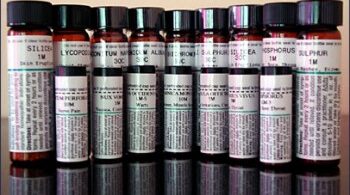
Miranda Castro’s Homeopathic Childhood Kit (including one of each of the twenty-five remedies featured in this article in the 30th potency) is available from:
The Natural Pharmacy
PO Box 6033
Santa Fe, NM 87502
Telephone: 505 982 4071
http:// www.a2zhomeopathy.com
Or order remedies individually from your favorite homeopathic pharmacy many of which can offer a next day delivery service.
Recommended reading
These books are available from The Natural Pharmacy:
The Complete Homeopathy Handbook by Miranda Castro
Homeopathic Medicine at Home by Panos and Heimlich
Homeopathy in Epidemic Diseases by Dorothy Shepherd
——————————————-
Miranda Castro is a British-trained professional homeopath who has been in practice since 1983. She lives in Gainesville (Florida) where she practices and teaches. She has published three books: The Complete Homeopathy Handbook , Homeopathy for Pregnancy, Birth & Your Baby’s First Years and Homeopathic Guide to Stress. She also has a background in acupuncture, iridology and humanistic psychology.
Mailing: 4474 NW 1st Avenue, Gainesville, FL 32607
Office: 1801 NW 11th Road, Gainesville, FL 32605
Phone: 352-505-8545
Web: www.mirandacastro.com